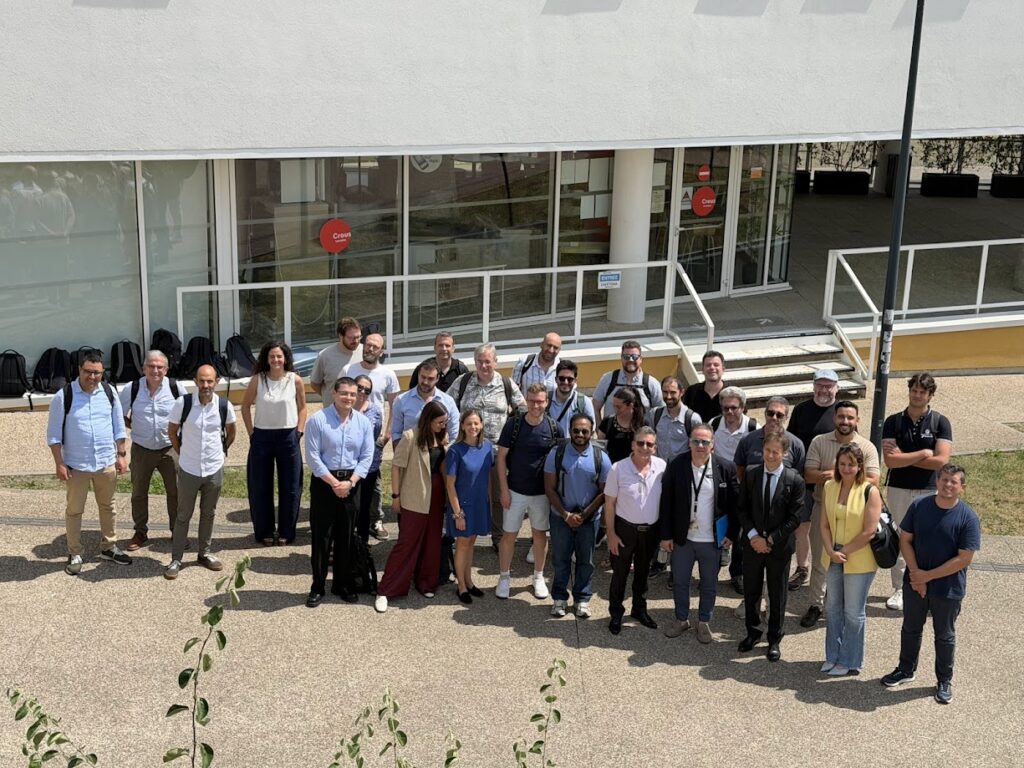
The fifth consortium meeting of the RemaNet project took place in France from 23 to 25 June 2026. The project partners from the University of Lorraine in Metz and CRITT in Bar-le-Duc organized not only the consortium meeting but also a workshop and a demonstration day (Demo Day) at their respective sites.
During the consortium meeting, the partners presented the progress achieved in the individual work packages contributing to the development of the RemaNet platform. These developments include various digital building blocks for process selection as well as for identifying suitable service providers based on pricing and logistics criteria. These components are being further refined through the project’s different use cases and are illustrated by graphical visualizations to enhance their practical applicability. The objective is to deliver, by the end of the project, a fully functional platform supporting the remanufacturing of electric motors. If possible, an external partner will also be identified to commission an initial pilot application.
At the University of Lorraine, the consortium gained insights into the work of the LGIPM research group (Production and Logistics Information Systems) through a dedicated workshop and a guided laboratory demonstration (Demo Day). The group develops digital solutions for production and logistics challenges using experimental laboratory setups. During the workshop, these approaches were further elaborated with regard to their integration into the RemaNet project. One planned enhancement of the platform is the integration of digital process monitoring for remanufacturing operations. For example, the repair of damaged areas on clutch disc brackets using the Cold Spray process can be monitored in real time to detect and prevent nozzle clogging during operation.
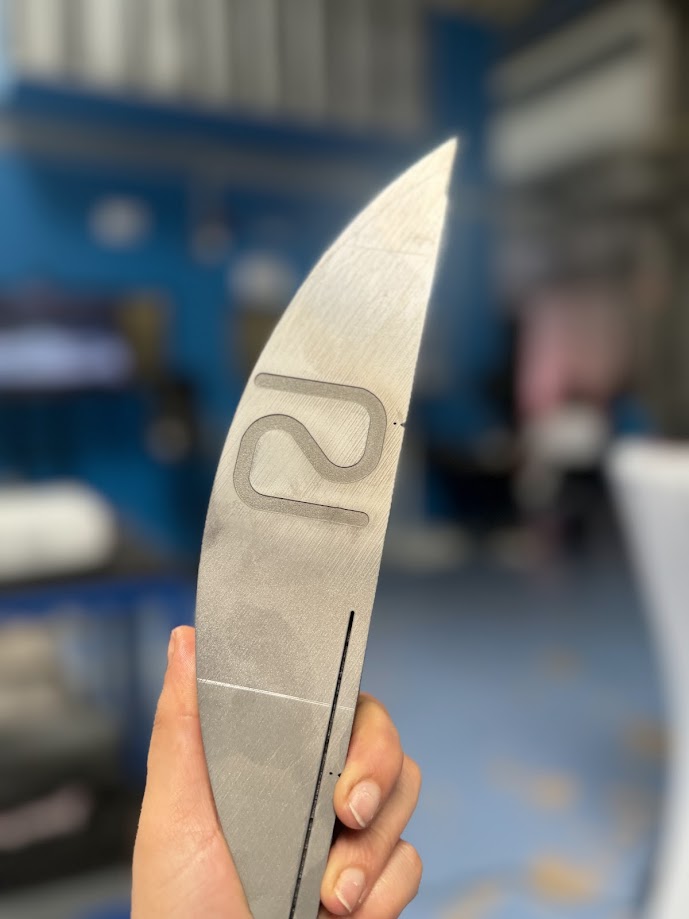
The Cold Spray process represents the main research focus of the project partner CRITT in Bar-le-Duc. The consortium also visited CRITT for a Demo Day and workshop, where the focus was on waterjet cutting and Cold Spray technologies for the remanufacturing of mechanical components within the RemaNet project. As a practical demonstration of the achievable process precision, metal components were processed on site. The results highlighted the significant potential of these technologies for remanufacturing applications and their integration into the RemaNet platform.